
How Active Learning Enhances Advanced Nursing Education and Exam Readiness

Advanced nursing education challenges students to master a rigorous curriculum while developing clinical reasoning, sound decision-making, and adaptability in high-stakes environments. Nurse practitioner (NP) students often balance these demands alongside responsibilities outside the classroom, such as working as registered nurses. To succeed, they must retain large volumes of information, apply it in clinical settings, and perform confidently under pressure—on certification exams and in patient care.
Active learning in advanced nursing education offers a practical, evidence-based approach to support these goals. When grounded in learning science, active learning strategies improve long-term retention, strengthen problem-solving, and enhance performance on board exams like the AANP® and ANCC®. Techniques such as retrieval practice and spaced repetition—when embedded in instructional design—have been shown to improve comprehension, confidence, and exam readiness.
Many of these strategies can be integrated into existing teaching formats, including case discussions, low-stakes quizzes, peer instruction, and interactive review sessions, without the need to overhaul your curriculum.
This blog explores:
- From Strategy to Impact: The Science Behind Memory
- Active Learning Strategies to Implement in NP Education
- A Proven Solution to Reinforce Concept Mastery and Exam Readiness
To effectively implement active learning in NP education, it’s important to first understand the cognitive challenges students face and how instructional design can directly support retention, recall, and application.
From Strategy to Impact: The Science Behind Memory
When educators adopt instructional methods that reduce cognitive overload and promote meaningful engagement, students are better able to retain and apply what they’ve learned. That starts with understanding how the brain processes information across three key phases: encoding, storage, and retrieval.
NP students manage a challenging academic load while balancing professional and personal responsibilities. With limited time and bandwidth, it’s not uncommon for students to experience stress, burnout, or risk falling behind. Helping them learn more effectively—and efficiently—is essential.
- Encoding refers to how information is initially taken in and organized. Strategies that pair verbal explanations with visuals—such as illustrated mnemonics or storytelling—help students make sense of complex material and create stronger cognitive connections.
- Storage involves reinforcing and retaining that information over time. Learning science shows that spacing out content exposure, using repetition, and building associations with prior knowledge lead to better long-term memory.
- Retrieval is the act of bringing information to mind—under pressure, in context, and at speed. Frequent recall through low-stakes quizzing, teaching others, or applying knowledge in clinical scenarios helps reinforce memory pathways and build exam confidence.
Research shows that retrieval practice, spaced repetition, and dual coding are among the most effective techniques for improving memory performance and exam outcomes.
By aligning instruction with how the brain learns, educators can help NP students study smarter—not harder—and stay on track academically, clinically, and professionally.
The Science of Memory: A Three-Part Process

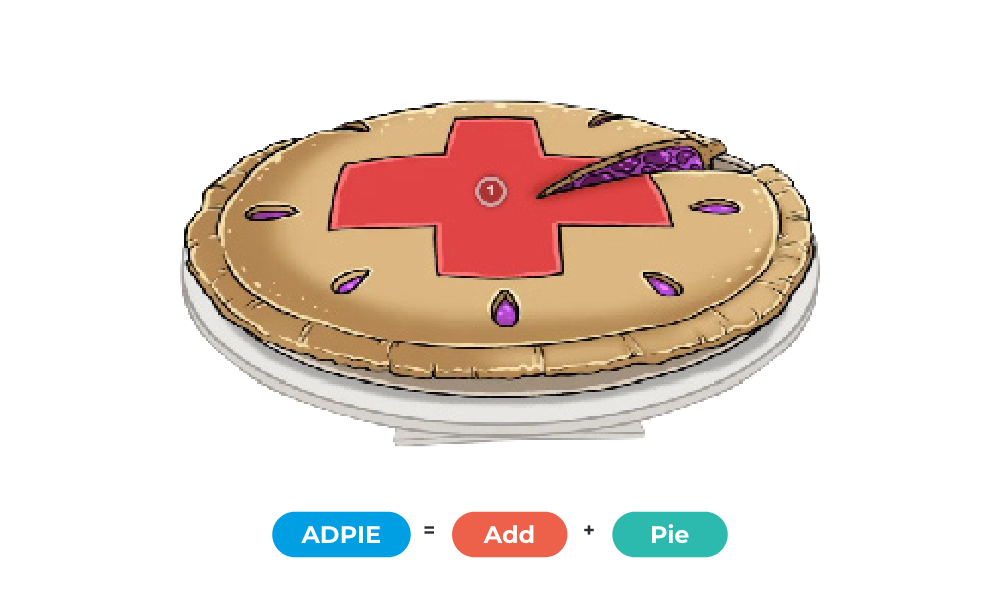
01
Encoding
The brain processes electrical signals converted from external stimuli. Audio-visual cues, images, oddities, or humor make the encoding easier.
02
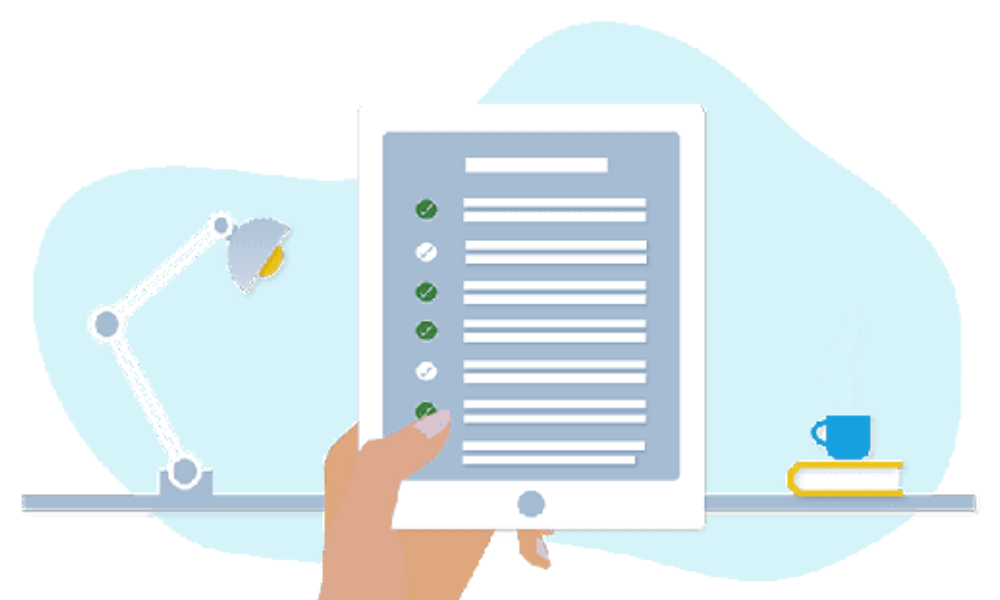
Storage
The brain finds ways to keep the information using acronyms, phonetic and visual cues, or by association with another visual.
03
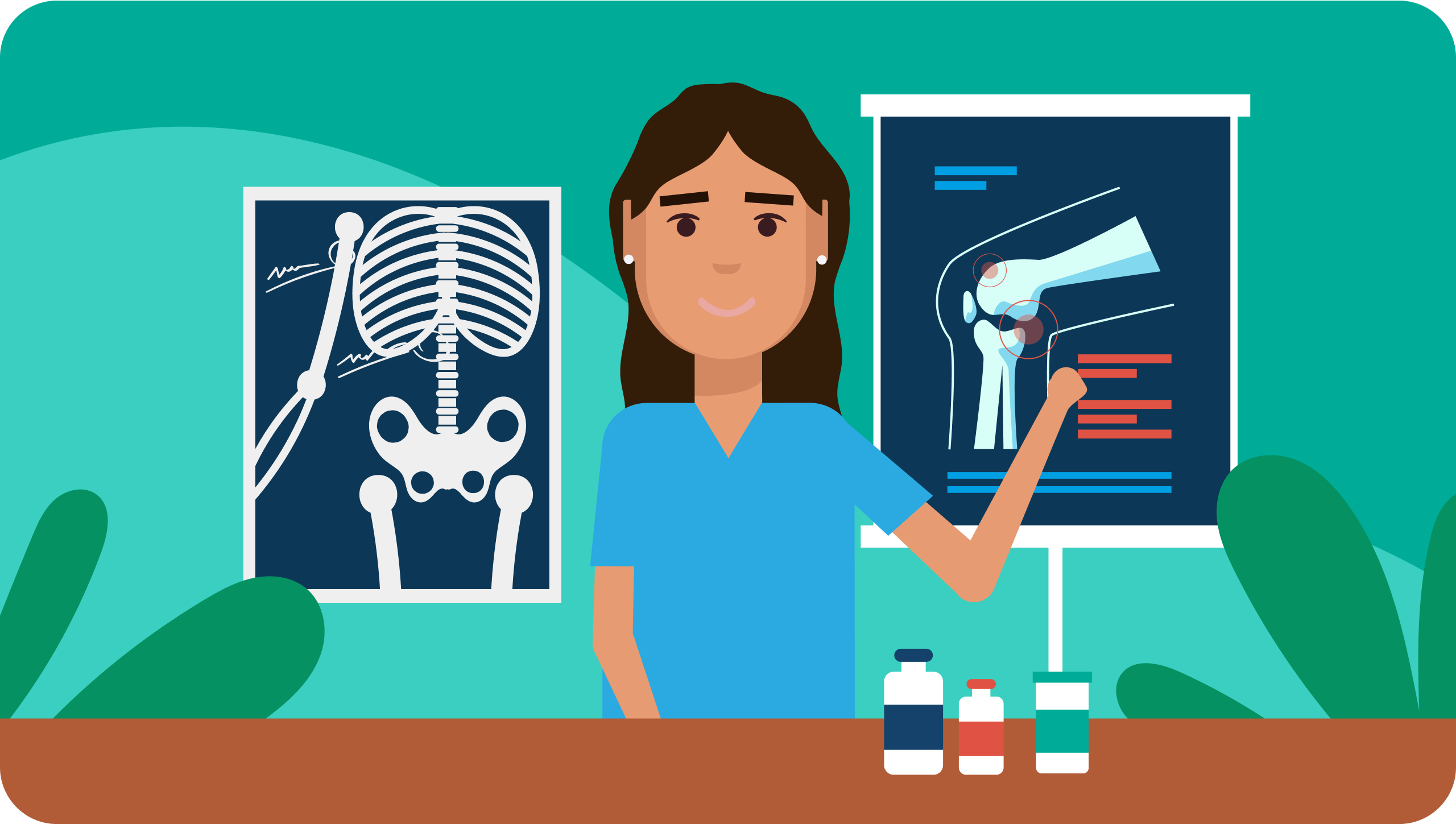
Retrieval
The brain leverages techniques such as using flashcards or quizzes or having someone ask questions out loud to recall information.
To put these principles into action, educators can apply active learning strategies that strengthen memory, support clinical reasoning, and boost exam readiness.
Active Learning Strategies to Implement in NP Education
Active learning engages students in the process of thinking, doing, and applying—moving them beyond memorization toward real-world understanding. For NP programs, where cognitive load is high and clinical readiness is essential, these strategies offer a powerful way to deepen understanding and improve exam outcomes.
Each of the following methods aligns with best practices in healthcare education and can be implemented flexibly, even in content-heavy curricula.
Case-Based Learning
What is it?
Case-Based Learning uses progressive clinical scenarios to help students apply didactic knowledge to patient care. These cases simulate real-world decision-making and require learners to interpret data, prioritize interventions, and explain their reasoning.
Why it works:
It strengthens clinical judgment by engaging students in realistic, open-ended problem solving. This application of knowledge reinforces deeper learning and mirrors the complexity of professional practice.
How to implement it:
Use board-style case vignettes during class and walk students through diagnosis and treatment planning. Divide the class into small groups to tackle different components (assessment, diagnostics, pharmacology). Encourage discussion, justification of decisions, and comparison of approaches.
Formative Quizzing with Real-Time Feedback
What is it?
This involves using regular, low-stakes assessments to check understanding throughout a course. Feedback is provided immediately, so students can adjust their thinking and revisit areas of weakness before summative exams.
Why it works:
Frequent quizzing promotes retrieval practice—a proven method for improving long-term retention—and helps reduce test anxiety by building familiarity with question formats.
How to implement it:
Incorporate short quizzes at the end of each lecture or topic module. Use in-class polling tools or learning platforms that show students their results in real time. Discuss selected answers as a group to clarify misunderstandings.
Spaced Repetition
What is it?
Spaced repetition is the strategic re-exposure to key information at increasing intervals. This method helps students retain information longer and strengthens the brain’s ability to recall it under pressure.
Why it works:
Spacing optimizes memory encoding by leveraging the brain’s natural forgetting curve. When learners revisit material right before it’s forgotten, retention improves significantly.
How to implement it:
Encourage students to review content weekly using cumulative study tools or personal flashcards. Reinforce previously covered material during live review sessions, and use class time to revisit topics students struggled with earlier in the term.
Flipped Classroom
What is it?
A flipped classroom introduces foundational material before class through independent learning (videos, readings, modules), freeing up class time for application and synthesis.
Why it works:
This approach increases classroom engagement and allows students to interact with the material more deeply in the presence of faculty and peers. It also gives learners more control over their pace of initial exposure.
How to implement it:
Assign pre-recorded mini-lectures or focused readings ahead of class. Use in-class time for activities such as clinical case discussions, quiz competitions, or collaborative decision-making exercises.
Peer Teaching and Small Group Review
What is it?
Peer teaching involves students teaching a concept or leading a discussion, either formally or informally, within small groups. This method empowers learners to take ownership of the content.
Why it works:
Teaching others requires learners to organize their knowledge, identify gaps, and communicate ideas clearly—all of which strengthen comprehension and recall.
How to implement it:
Assign students specific topics (e.g., heart failure management, antibiotic selection) to review and present in groups. Rotate teaching roles to ensure engagement, and follow with Q&A or instructor debriefs to reinforce accuracy.
Data-Driven Remediation
What is it?
This strategy involves analyzing student performance data to identify knowledge gaps and then using that insight to guide targeted instruction or review.
Why it works:
Targeted remediation is more efficient and impactful than broad re-teaching. It directs attention to high-priority content and supports personalized learning.
How to implement it:
After assessments, identify low-performing topics across the class. Develop mini-reviews or group activities focused on those areas. Encourage self-assessment and journaling to promote metacognition and self-regulation.
Gamified Review and Recall Activities
What is it?
Gamification adds elements of play—competition, scoring, time pressure—to learning. It increases engagement while reinforcing content through repetition.
Why it works:
Gamified activities tap into students’ intrinsic motivation and make review feel more interactive and low-stress. They also support fast-paced retrieval practice.
How to implement it:
Host live quiz games using apps or physical cards. Organize group competitions where students earn points for correct answers. Incorporate timed recall drills to boost fluency with high-yield topics.
While these strategies can be implemented in many ways, having the right tools can make them easier to apply and scale—especially in fast-paced NP programs. That’s where Picmonic comes in.
A Proven Solution to Reinforce Concept Mastery and Exam Readiness
Educators know that even the best learning strategies are only as effective as the tools used to deliver them. That’s why many NP programs turn to Picmonic—a proven solution that supports active learning, concept reinforcement, and long-term retention.
Picmonic is an audio-visual mnemonic learning system that uses the science of memory to help students retain what they’ve learned and recall it when it matters most. By combining spaced repetition, retrieval practice, and dual coding, Picmonic enables faster learning and stronger recall without increasing cognitive load.
Designed to complement classroom instruction and independent study, Picmonic gives students a more efficient way to review complex material—while improving their ability to apply it in clinical practice and on high-stakes exams.
Research shows that Picmonic can increase knowledge retention by up to 331% and improve exam performance by 55%, making it a valuable addition to any NP curriculum.
Watch this video to learn how Picmonic can help your NP program optimize learning, exam performance, and end-of-program outcomes.
Explore how Picmonic, powered by TrueLearn, can help your program elevate NP student learning and outcomes.
Learn MoreRelated Content
 Educator Blog
 Educator Solution Brief
How Learning Science Strategies Steer Nurse Practitioner Edu…
Nurse Practitioner
*AANP® and ANCC® are trademarks of the American Association of Nurse Practitioners Certification Board (AANPCB) and the American Nurse Credentialing Center (ANCC) respectively. This content is not endorsed or approved by AANPCB or ANCC.
 Educator Whitepaper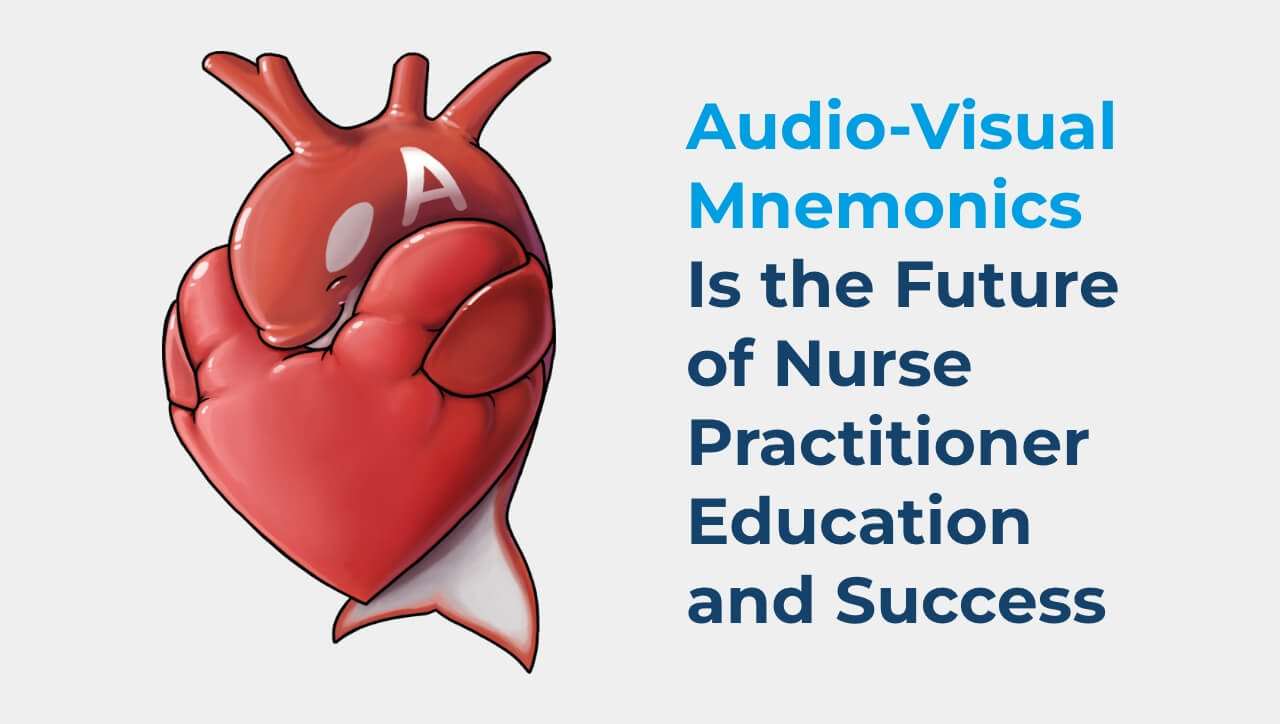
 Educator Fact Sheet